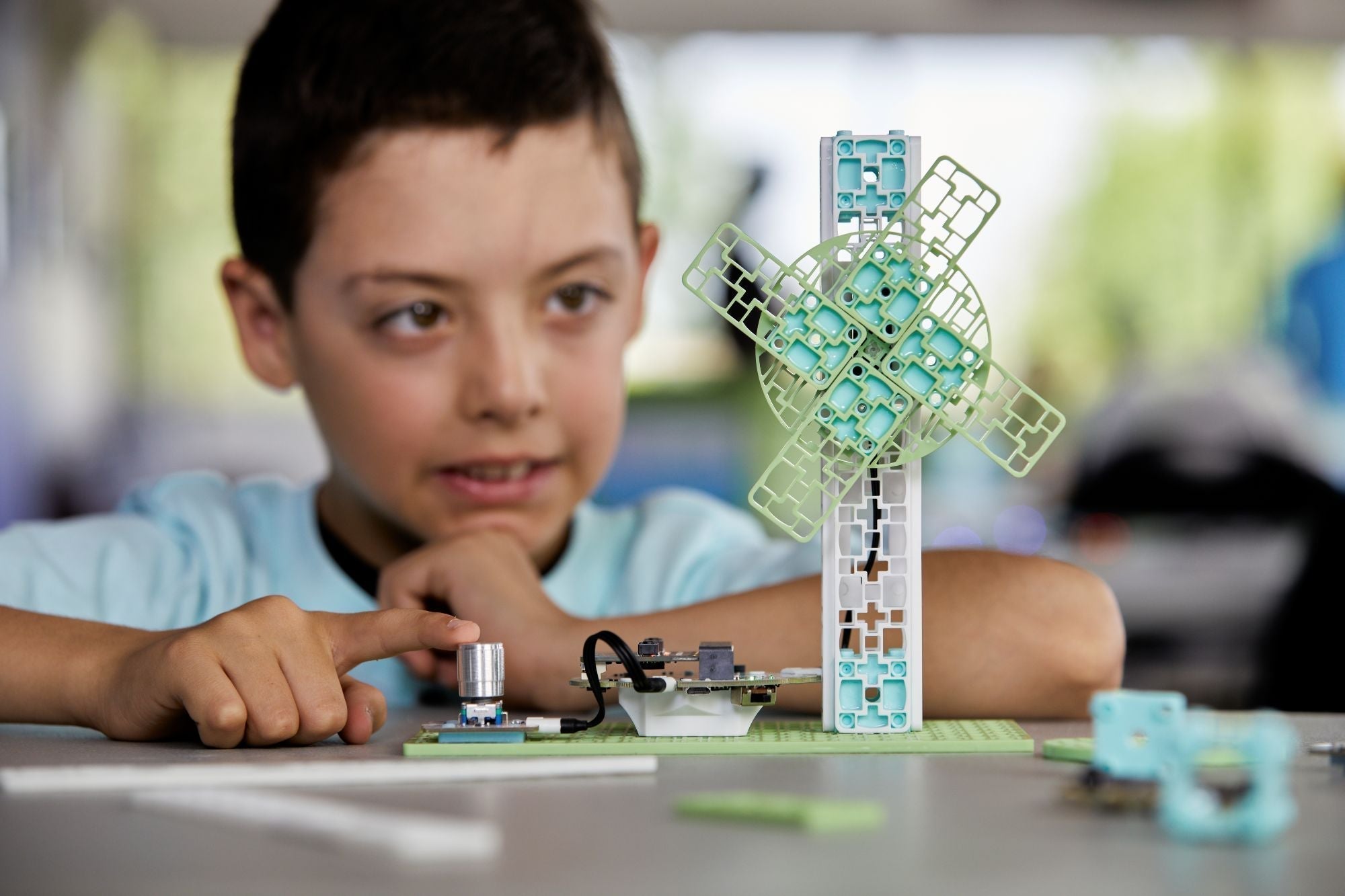

UK schools are facing a big shift. The government has made climate education and computing national curriculum priorities. That means schools need more than a policy update. They need classroom-ready tools that help students build real skills.
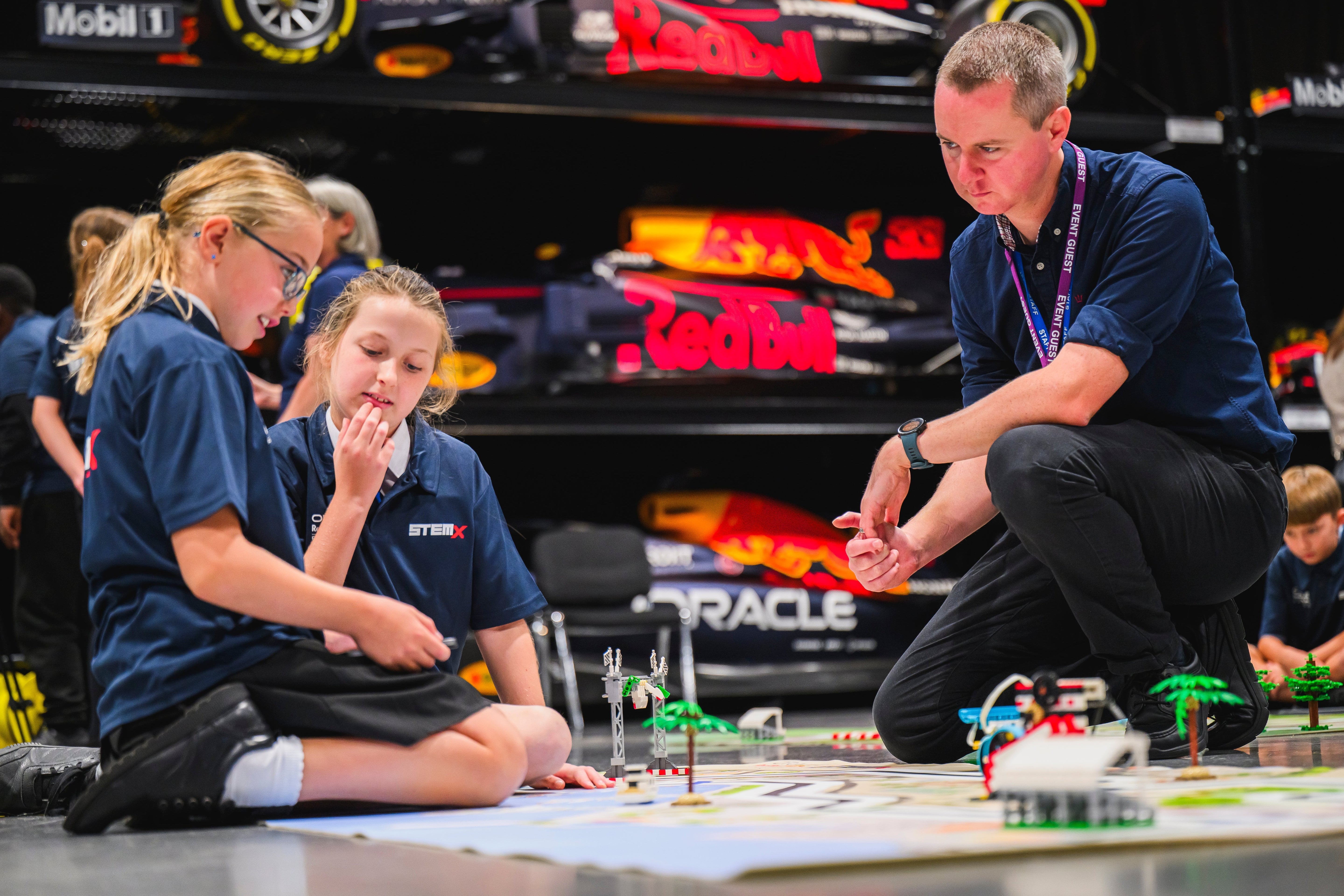
That is why Forward Education and Creative Hut are partnering to bring a full ecosystem of coding, climate literacy, and AI resources to UK classrooms. Together, our goal is straightforward: better climate and computing outcomes for every UK student.
What Is Changing in the UK Curriculum?
In November 2025, the UK government published the Curriculum and Assessment Review Final Report. It is the biggest update to England's national curriculum in over a decade.
The review names climate education and computing as two of five national priority skill areas. That puts them in the same category as financial literacy and media literacy. These are not optional add-ons. They are expected outcomes for every student.
Here is what that means in practice:
-
Computing and climate are being embedded across Science, Design and Technology, and Citizenship
-
Science GCSE must now explicitly include climate change and sustainability
-
Citizenship becomes compulsory in primary schools and must include climate education
-
The Computing GCSE is being replaced with a broader qualification that includes AI literacy and digital skills
-
Schools are already required to have a Climate Action Plan with a climate education component under the DfE's 2022 Sustainability and Climate Change Strategy
The new curriculum goes live in September 2028. But the Climate Action Plan requirement is already in effect. Schools that start building curriculum-aligned climate and computing programs now will be well ahead when implementation begins.

Why These Skills Matter Beyond the Curriculum
Meeting a curriculum requirement is one reason to act. But it is not the only one.
Climate literacy and computational thinking are life skills. Whether a student goes on to study environmental science, engineering, business, or the arts, these skills will shape how they engage with the world around them.
A student who learns to code by solving a real climate problem is not just preparing for an exam. They are learning to think systematically, work with data, test solutions, and adapt when things do not go as planned. Those are the same skills they will use in any career and in any part of their life.
The Computing at School summary of the Curriculum Review puts it clearly: digital skills are the backbone of the global economy and vital for active participation in society.
That is the standard we are building toward. Not just curriculum compliance. Digital citizenship for every student.



Share:
The Skills Gap Is a Choice: What Businesses Can Do Before 2030