
Businesses today are increasingly identifying the importance of purpose and social impact alongside the requirement to generate profit. A growing body of evidence shows that purpose now sits at the heart of what people expect from business. A recent McKinsey survey found that 82% of employees believe it’s important for organisations to have a clear purpose, with nearly three-quarters saying this should take precedence over profit alone. In response, companies are increasingly embedding CSR, environmental, social impact and governance goals into how they operate, measuring success not just by financial return, but by the positive impact they create.
For many, this shift is reshaping how people are rewarded, developed and promoted, signalling a move from short-term gain to long-term value and legacy.
Communities expect meaningful engagement, employees want purpose-driven work, and organisations are searching for sustainable ways to build future talent pipelines in a quickly evolving skills landscape. Employee volunteering and STEM outreach are often positioned as the answer, however, delivering a truly transformative initiative requires detailed planning and design to bridge the gap between the business world and the needs of education.
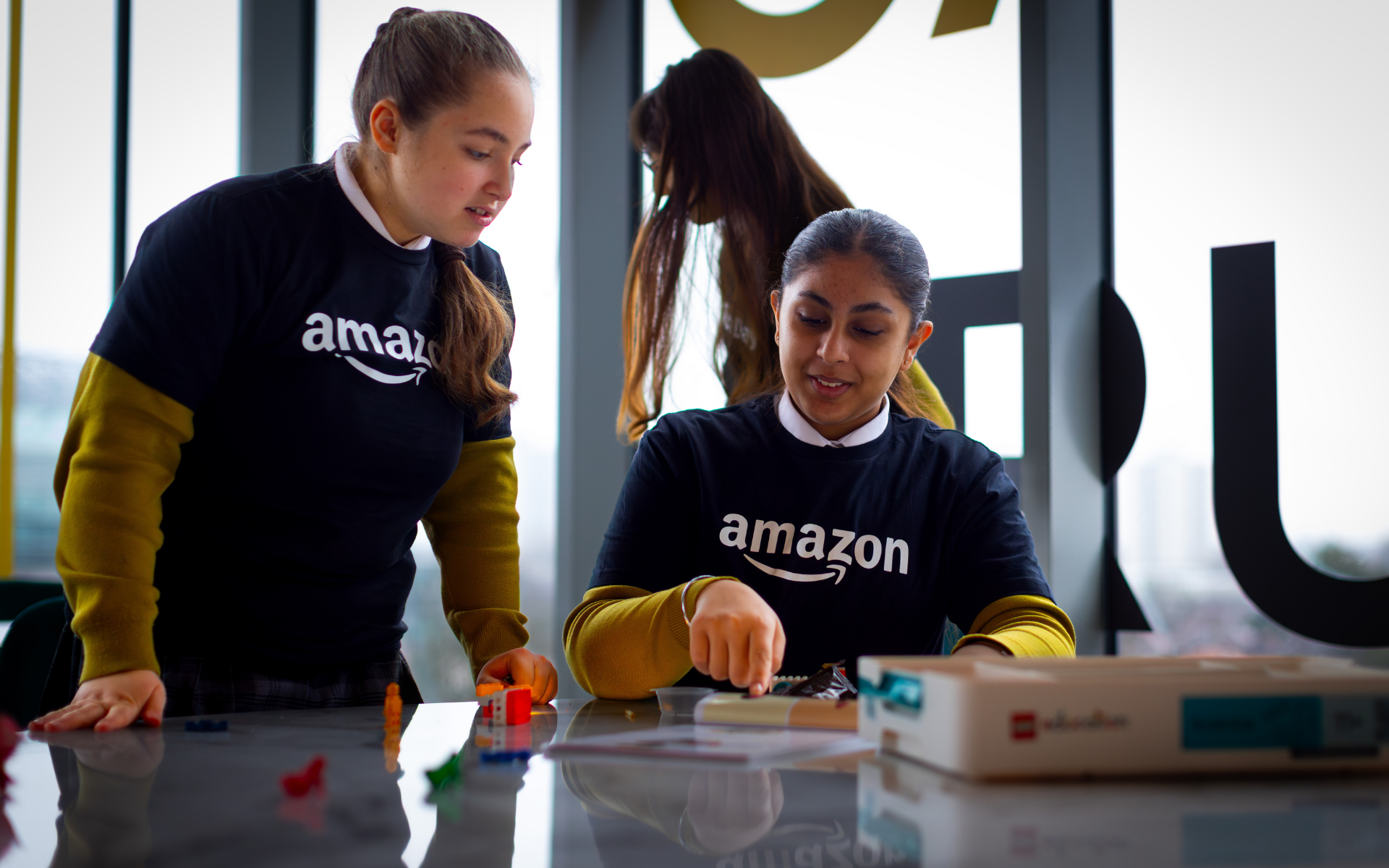
Across the corporate landscape, there is no shortage of volunteer-led CSR activity. Many businesses send employees into schools for one-off sessions, career talks, or activity days. While these moments often provide a positive experience for the children, they often lack the depth, educational structure, and alignment with curriculum requirements that has a lasting impact on career aspirations. Despite this, the power of integrating volunteers should not be underestimated - they bring real-life experience and stories that are a critical part of the broader educational outreach a company can offer.

Education Expertise at the Core
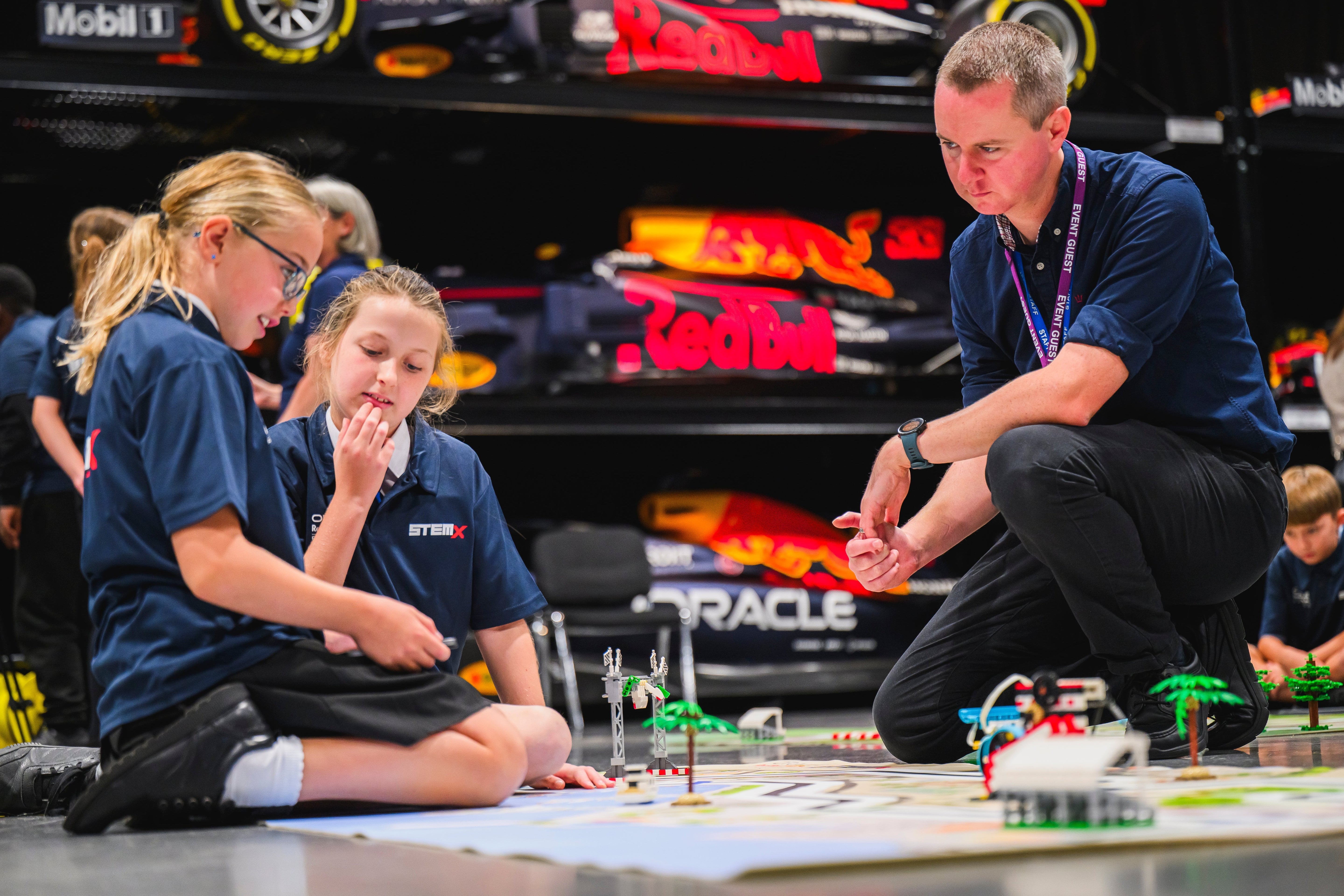
Delivering meaningful STEM education CSR requires a well rounded programme of options to support learning within a school and community, including curriculum alignment, age-appropriate learning, structured progression, and measurable outcomes. At Creative Hut, we ensure programmes are designed and led by education specialists who understand how children learn, how schools operate, and how to build sustained engagement over time, while also ensuring they represent the company throughout.
This education-first model ensures that every workshop, challenge, or project delivers real learning value. It also means schools trust the programme, teachers see clear links to the curriculum, and learners build confidence and skills that extend beyond a single session.
When educational experts lead the design and delivery on behalf of a company, CSR outreach delivers true social impact and leaves a lasting legacy.
This structured approach allows companies to demonstrate real outcomes. Learner reach, learning hours delivered, skills progression, diversity engagement, and regional impact can all be tracked and reported. These metrics strengthen CSR and ESG reporting and social value commitments, but more importantly, they represent tangible change in communities.
The bigger story becomes the impact created through the programme itself, not just the number of volunteer hours recorded.

Strengthening Workforce Strategy Through Education
Every country continues to face significant STEM and digital skills shortages. With many future roles not yet defined, exposure to robotics, AI, sustainability, and engineering from early years through to higher education is critical, and often a challenge for education organisations to integrate. Businesses that embed education-led outreach into their CSR strategy are not simply supporting communities; they are contributing to long-term workforce resilience and helping schools prepare children for a positive future.
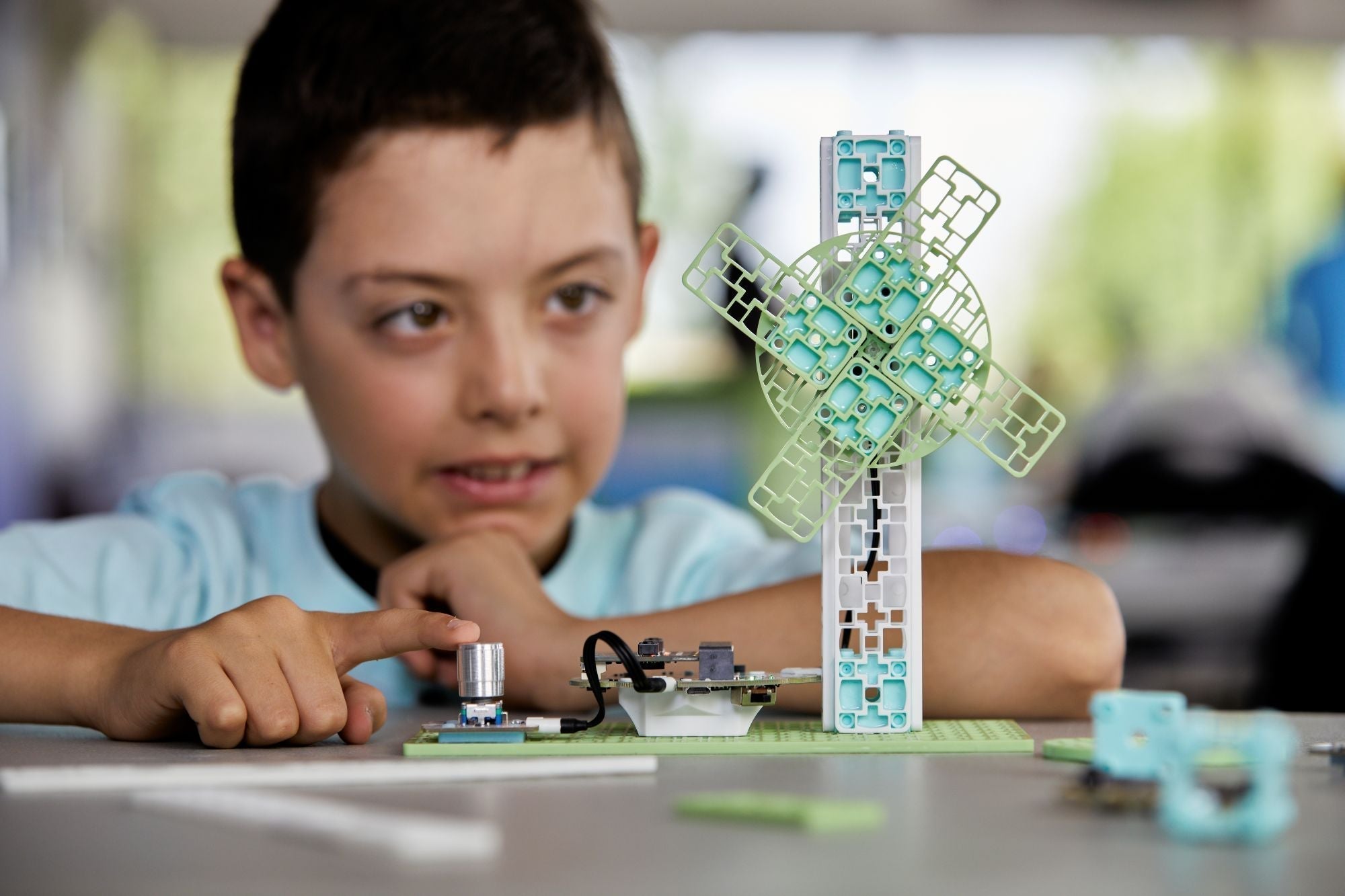
When young people encounter well-delivered STEM programmes, supported by professionals from industry, they begin to see realistic and achievable career pathways. Confidence grows alongside technical understanding. Over time, this strengthens talent pipelines, ensures inclusivity, and widens participation in sectors that urgently need diverse, skilled entrants.
For employees, being part of a structured outreach programme increases engagement and enjoyment. They develop mentoring and communication skills while contributing to a clearly defined impact strategy. Participation becomes purposeful rather than performative.

A Smarter Model for Corporate Impact
The key to effective corporate STEM outreach lies in partnership. Education experts design and lead. Businesses provide strategic support, industry insight, and employee engagement. Together, this creates scalable programmes that deliver measurable learning outcomes and meaningful community change.
When outreach is built this way, it moves beyond corporate volunteering as a standalone initiative. It becomes part of a broader impact strategy that strengthens brand reputation, deepens community relationships, empowers employees, and helps build the workforce of tomorrow.
At Creative Hut, we see employee involvement not as the centre of the programme, but as a powerful layer within an education-led framework. That difference ensures quality, sustainability, and long-term impact.
Investing in skills today requires expertise, structure, and collaboration. When done thoroughly, education outreach programmes are a strong mechanism for companies to drive purpose and prepare for the future.




Share:
Creative Hut and TTS Partner to Expand Access to STEAM Learning
From CSR to Climate Action: Why the Next Generation is a Critical Sustainability Investment