


Artificial intelligence is becoming part of everyday life for young people, shaping how they learn, communicate, and explore the world. As AI continues to evolve at an extraordinary pace, schools face an important question: not when to introduce AI learning, but how to make it accessible, meaningful, and empowering for every child.
At Creative Hut, we believe AI education should begin with curiosity. Children learn best when they explore concepts through play, experimentation, and hands-on discovery. Before they understand how machines think, they need opportunities to develop their own problem-solving skills, to ask questions, and to make sense of intelligent systems in a way that feels natural.
Demystifying AI Through Playful, Hands-On Learning
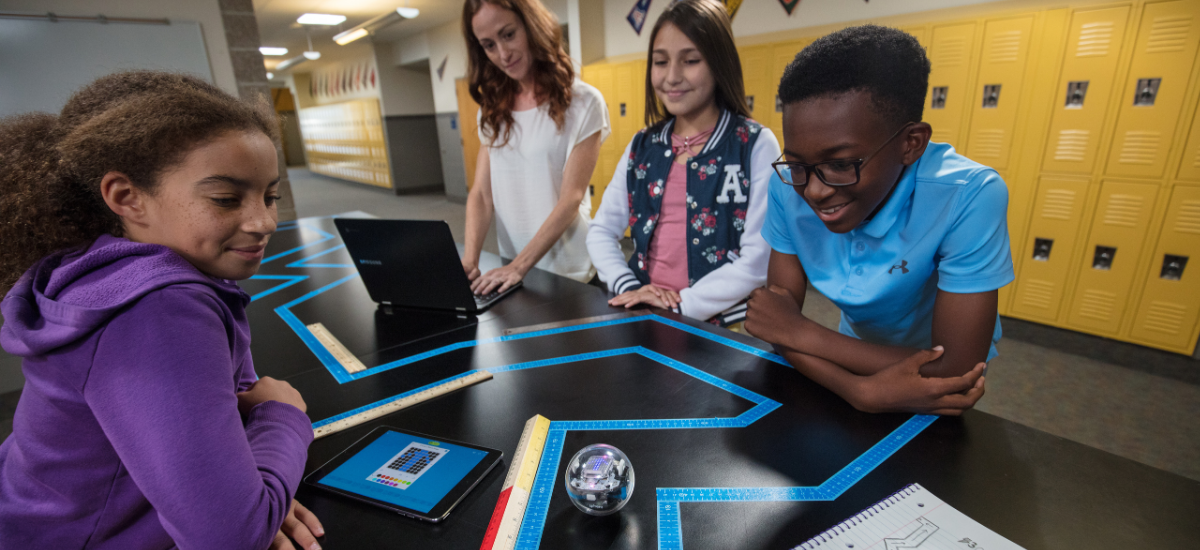
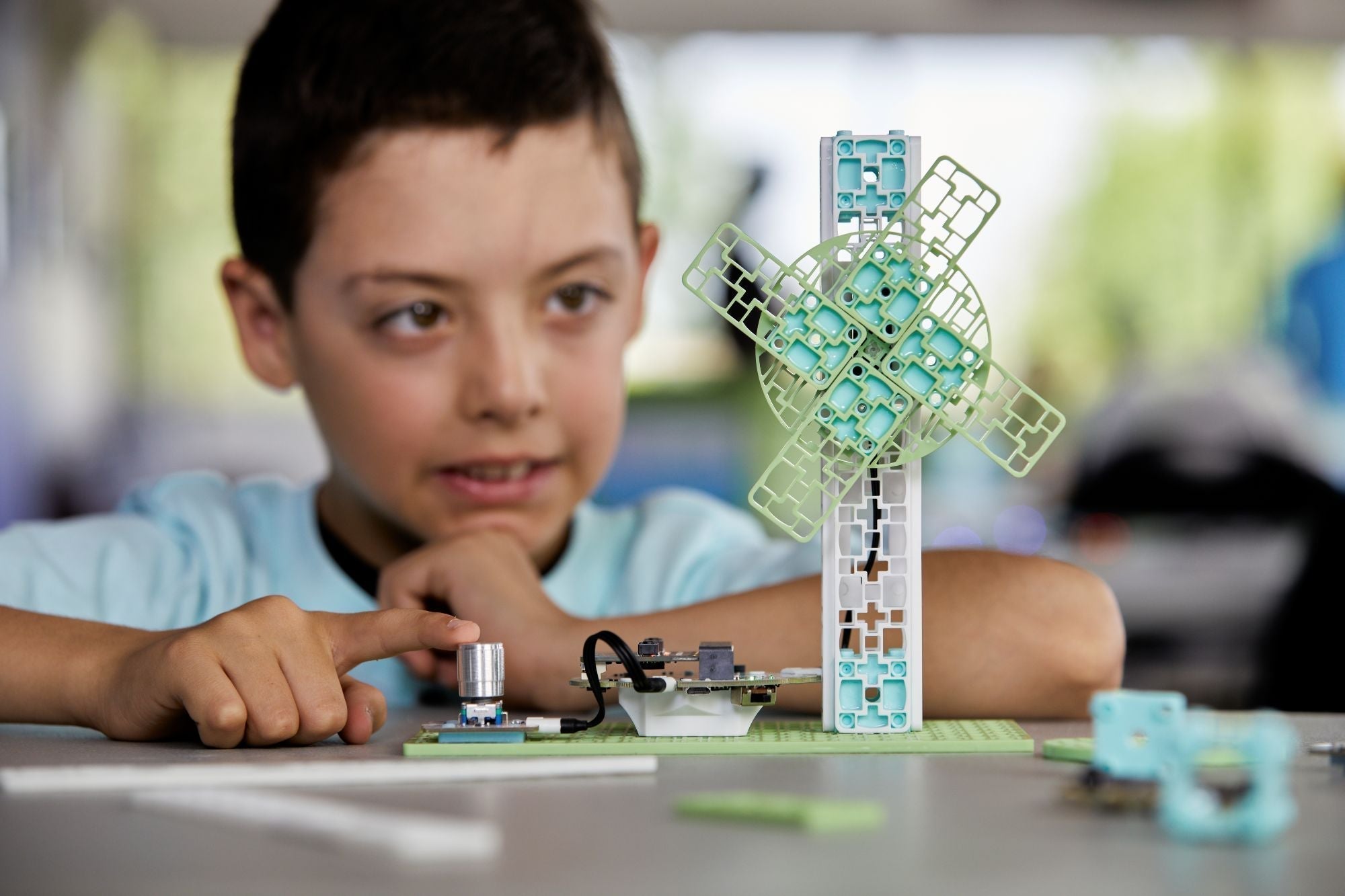
Young learners don’t need technical theories or complex explanations to begin understanding AI. Instead, they need simple, tangible experiences that help them see how intelligent systems behave. A robot following a programmed route introduces the idea of decision-making. A sensor detecting movement shows how machines interpret information. A coding game that requires testing and refinement teaches the essence of algorithms and logic. For younger learners, tools like the Photon AI Kit make these early concepts accessible, while older students can explore more advanced behaviours with devices such as the Ozobot Evo.
These hands-on activities turn abstract concepts into something real. They allow children to explore how machines use data, how instructions shape behaviour, how mistakes happen, and why technology sometimes misinterprets the world around it. Through play, AI becomes less mysterious and more approachable, building a foundation of computational thinking that grows with each new experience.
Building Digital Resilience and Ethical Understanding
As AI becomes increasingly embedded in daily life, it is important that children understand not only how it works, but also how it affects people. Ethical thinking is just as essential as technical understanding.
Exploring questions about fairness, bias, privacy, and decision-making helps young people consider the role humans play in guiding technology. They begin to understand that intelligent systems are designed, trained, and influenced by people. These conversations help develop digital resilience and encourage children to become thoughtful creators who use technology responsibly.
When learners are encouraged to reflect on why an AI might make the wrong choice, how technology impacts different groups of people, or what it means to make responsible decisions, they begin to see themselves not just as users of technology, but as future leaders of it.
Future Skills: Insights from the World Economic Forum
The World Economic Forum’s Future of Jobs Report highlights one of the most significant challenges and opportunities in education today: the rise of automation and the growing demand for human creativity, analytical thinking, and technological literacy. Across industries, the skills most needed in the coming decade involve the ability to understand systems, solve complex problems, collaborate effectively, and engage confidently with intelligent technologies.
AI education, when introduced early and meaningfully, supports the development of these future-ready skills. Exploring how machines make decisions strengthens analytical thinking. Designing digital or physical solutions encourages creativity. Testing and refining ideas deepens resilience and problem-solving. Working collaboratively on technology-driven projects nurtures communication and teamwork.
In short, AI learning helps prepare children not only to navigate a changing world, but to shape it.
AI Learning as a Community Effort: The Role of CSR
As the digital skills gap grows, the role of business in supporting AI education becomes increasingly important. Corporate social responsibility (CSR) offers a powerful opportunity for organisations to contribute directly to the future of young people by helping schools access modern tools, training, and real-world insights.
Through partnerships with Creative Hut, businesses can bring high-quality, hands-on AI and STEM learning to communities that need it most. These collaborations strengthen local education, build confidence in emerging technologies, and help young people understand how skills such as coding, robotics, and digital design connect to real careers.
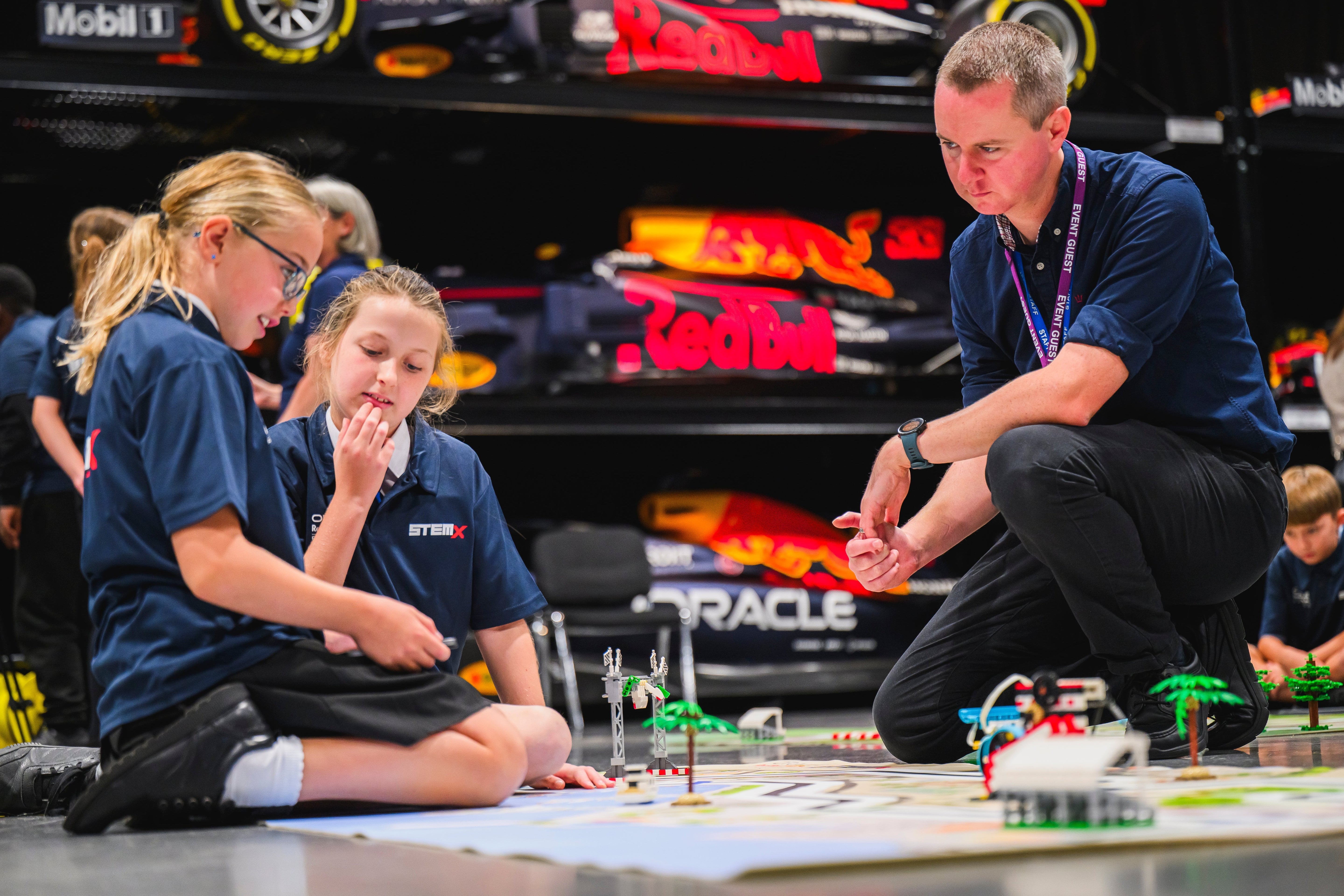
A powerful example of this is our work with Amazon Web Services (AWS) through the Think Big Circle, where pupils explored the importance of data centre and cloud infrastructure in an AI-driven world. Using interactive challenges, including the Data Centre Challenge, students learn how cloud technology powers everything from everyday apps to advanced artificial intelligence, gaining a deeper understanding of the systems shaping their future.
CSR-led programmes not only improve access to technology; they also create a bridge between industry and education, ensuring students receive opportunities that reflect the world they will one day enter. This kind of investment creates a lasting social value legacy and strengthens the communities businesses serve.
Empowering Every Child to Understand AI
The idea behind “AI for all” is simple: every child deserves the opportunity to explore intelligent technology in a way that sparks curiosity and builds confidence. Children are naturally inquisitive. They’re eager to experiment, to test ideas, and to understand how things work. AI becomes far more accessible when introduced through play, creativity, and hands-on exploration.
By helping young people engage actively with technology by building systems, testing algorithms, experimenting with sensors, and asking their own questions, we equip them with the mindset they need for the future. The goal is not to prepare them for specific jobs that may not yet exist. It is to help them develop the curiosity, resilience, and critical thinking that will guide them through whatever the future brings.
Hands-on, playful learning makes AI approachable, meaningful, and exciting. And when combined with support from educators and industry partners, it ensures that every child, regardless of background, can feel empowered to explore and contribute to an increasingly intelligent world.



Share:
Building a World-Class Curriculum - The Importance of STEM and CSR
Teaching AI in Primary Schools: From KS1 Curiosity to KS2 Confidence